The Wild Places
Still mountain lake at sunrise with pine-covered shoreline
A field guide to slowing down

The Wild Places

Mountains, forests, rivers and shorelines that were here long before us, and that still have plenty to teach.

44.4280° N, 110.5885° W  ·  Elev. 7,733 ft
Why we go outside

Nature doesn't hurry, yet everything gets done.

Spend twenty minutes under a canopy of trees and your shoulders drop, your breathing slows, and the noise of the week fades into birdsong and wind.

Researchers have measured it: time in green and blue spaces lowers stress hormones, lifts mood and sharpens attention. You don't need a summit or a passport to feel it. A city park, a creek trail or a quiet beach at dawn will do.

This page is a small tour through five of the landscapes that make the continent so remarkable, along with a few simple ways to keep them wild for the next person who wanders through.

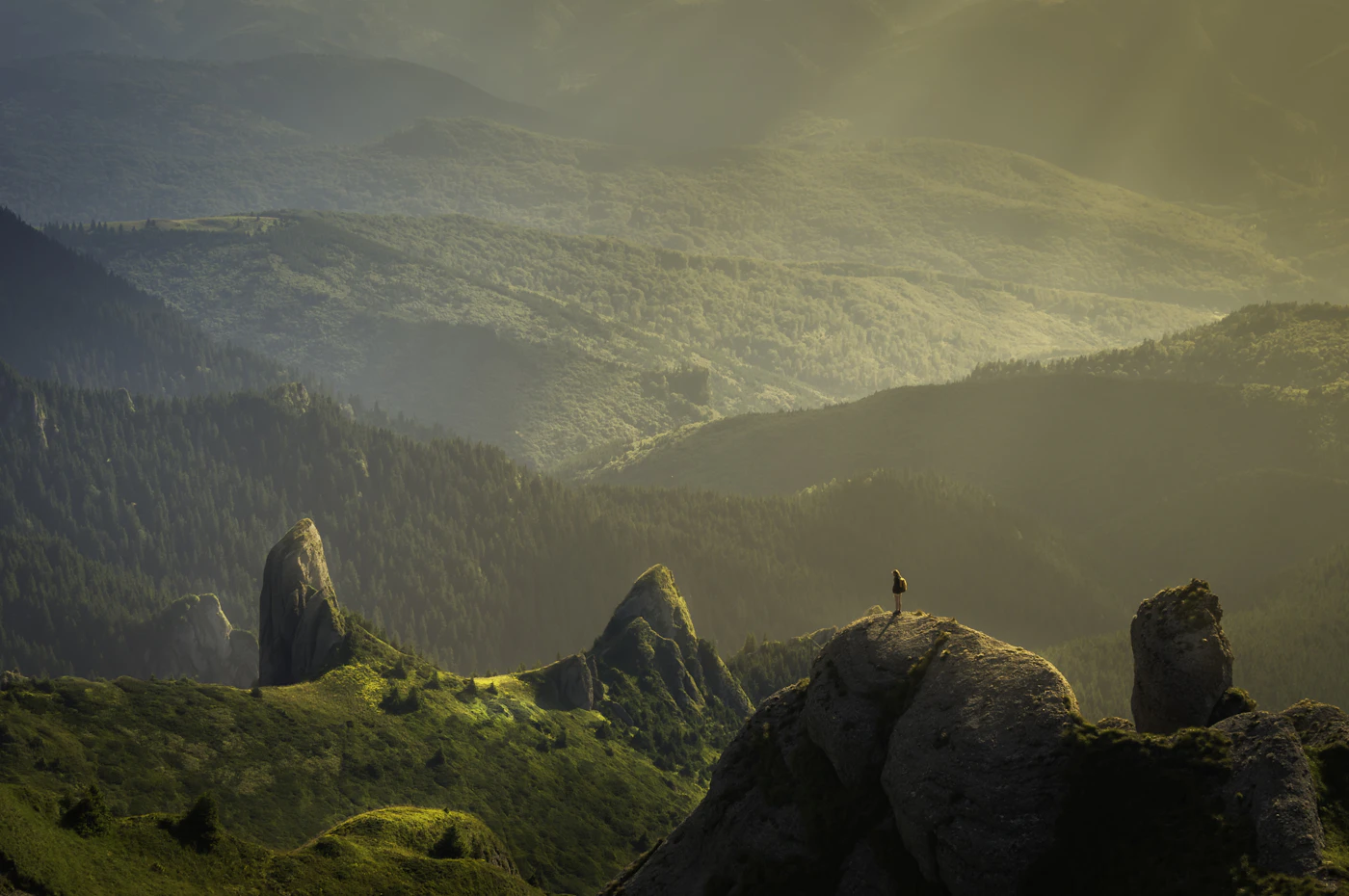
Jagged mountain peaks rising above a sea of clouds
01 · High country

Mountains

Above the tree line the air thins, the light sharpens, and the world falls away into ridgelines that fade blue toward the horizon. Alpine wildflowers bloom in a rush during a summer that lasts only a few weeks.

Highest point in the U.S.
Denali, 20,310 ft
Air temp drop
≈3.5 °F per 1,000 ft
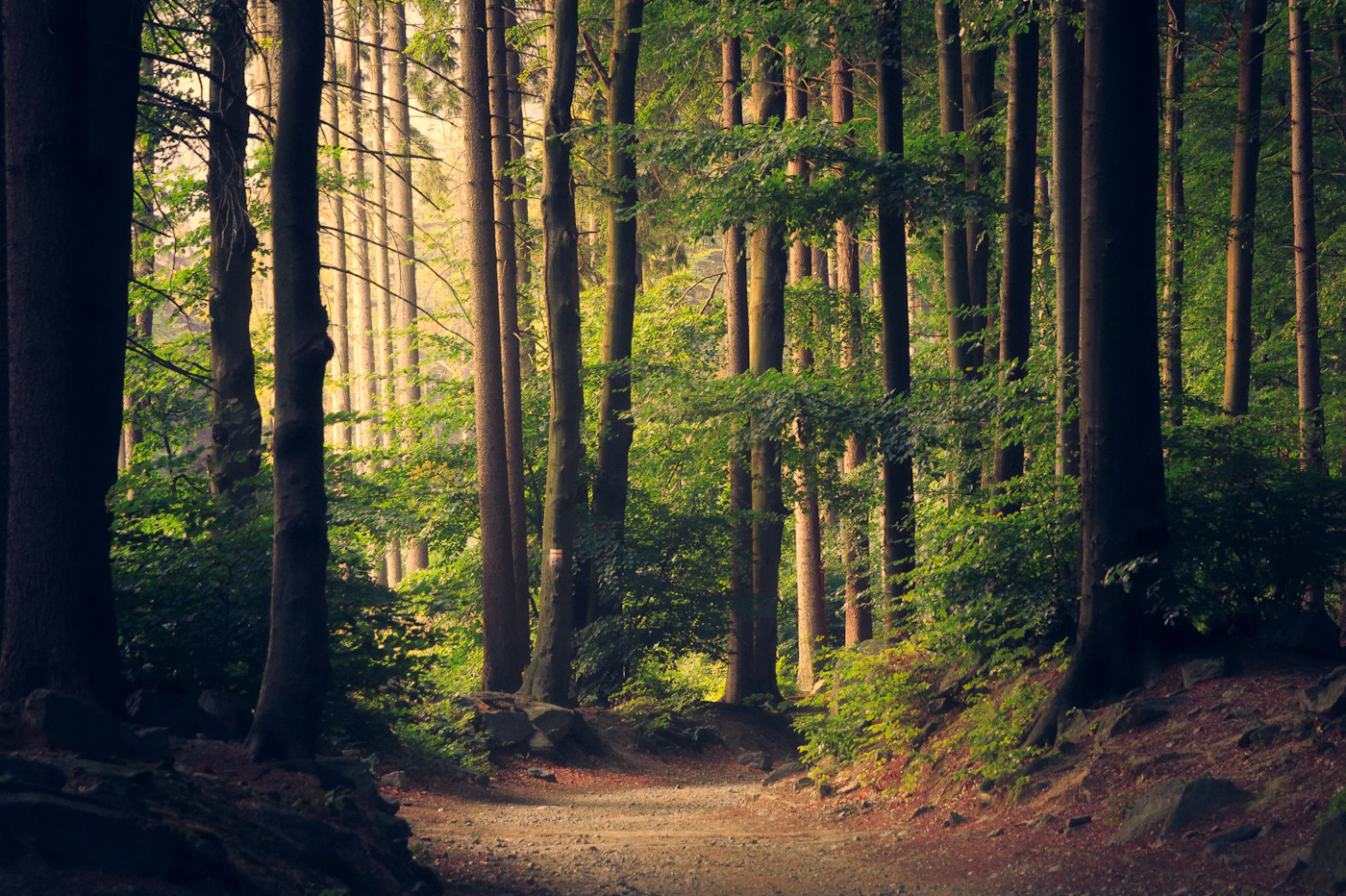
Sunlight streaming through tall green forest trees
02 · Under the canopy

Forests

Forests breathe for the planet. They filter water, cool the air and shelter most of the life on land. Walk slowly and you'll hear it: woodpeckers drumming, leaves turning over, a stream somewhere just out of sight.

Tallest tree on Earth
Coast redwood, 380 ft
U.S. forest cover
About one-third of land
Waterfall cascading over mossy rocks into a forest pool
03 · Moving water

Waterfalls & Rivers

Every river is a story of patience. Over thousands of years, water carves canyons, polishes stone and feeds the valleys below. Stand near a waterfall and feel the cool mist on your face.

Tallest U.S. waterfall
Yosemite Falls, 2,425 ft
Longest U.S. river
Missouri, ≈2,341 mi
Turquoise ocean wave curling toward the shore
04 · Where land ends

Coastlines

Tides come and go twice a day, rearranging sand, shells and kelp. Tide pools hold whole worlds in a few inches of water: anemones, sea stars and hermit crabs waiting for the sea to return.

U.S. tidal shoreline
≈95,000 mi
Earth covered by ocean
About 71%
Golden sunset light over a wide open landscape
05 · Open sky

Deserts & Plains

What looks empty is full of life that has learned to wait. After a spring rain, desert floors burst into color, and at night the sky holds more stars than most of us have ever seen.

Hottest recorded on Earth
134 °F, Death Valley
Stars visible, dark sky
Up to ≈2,500
Gallery

Moments outdoors

Tap any photo to view it larger

Keep it wild

The seven Leave No Trace principles

Millions of people visit America's public lands every year. These simple habits help those places stay beautiful for everyone who comes after you.

  1. Plan ahead and prepareKnow the rules, the weather and the trail before you go.
  2. Travel and camp on durable surfacesStick to trails and established campsites.
  3. Dispose of waste properlyPack it in, pack it out. All of it.
  4. Leave what you findRocks, flowers and artifacts belong where they are.
  5. Minimize campfire impactsUse a stove or an existing fire ring, and keep fires small.
  6. Respect wildlifeWatch from a distance and never feed animals.
  7. Be considerate of other visitorsKeep noise down and let nature's sounds carry.
The Wild Places · Made for anyone who needs a little more green in their day. Photography via Unsplash